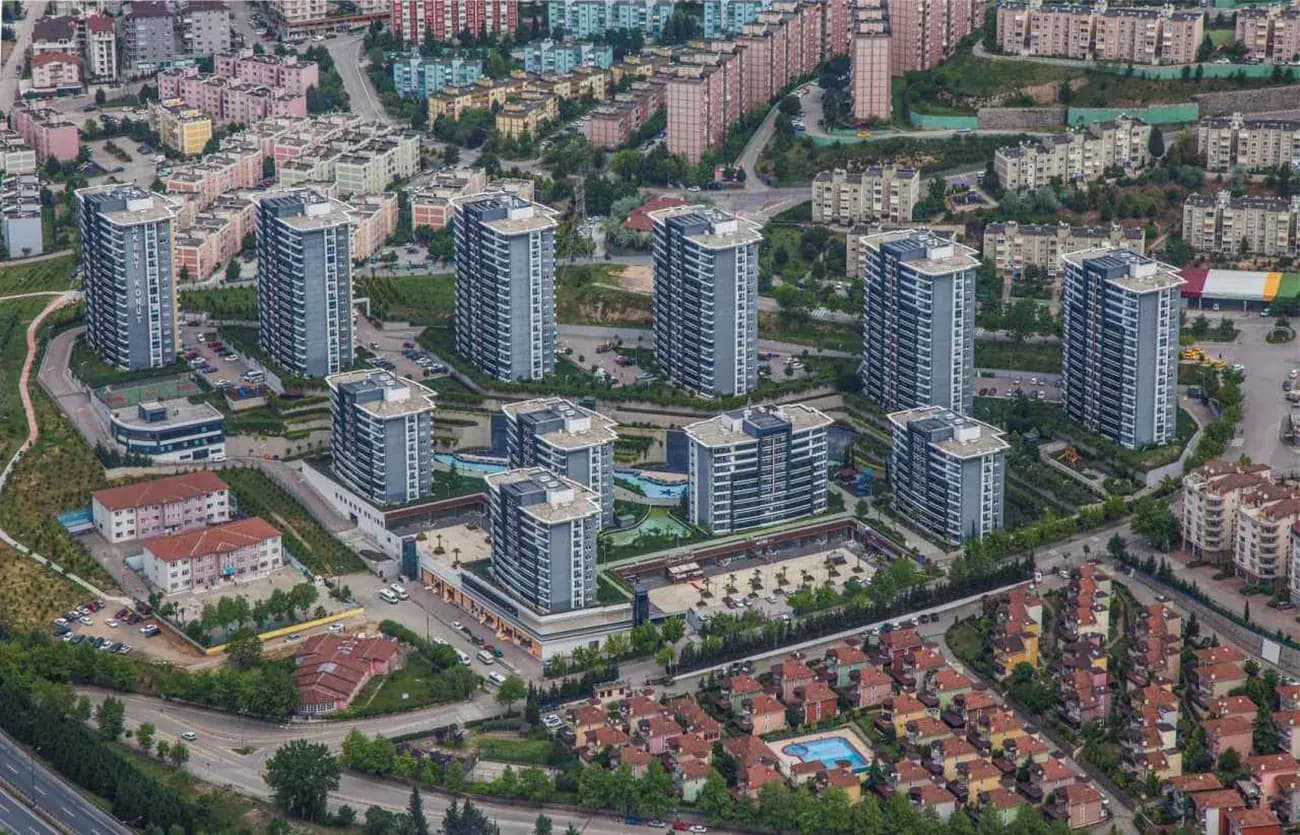
How Is Land (Arsa) Valued?
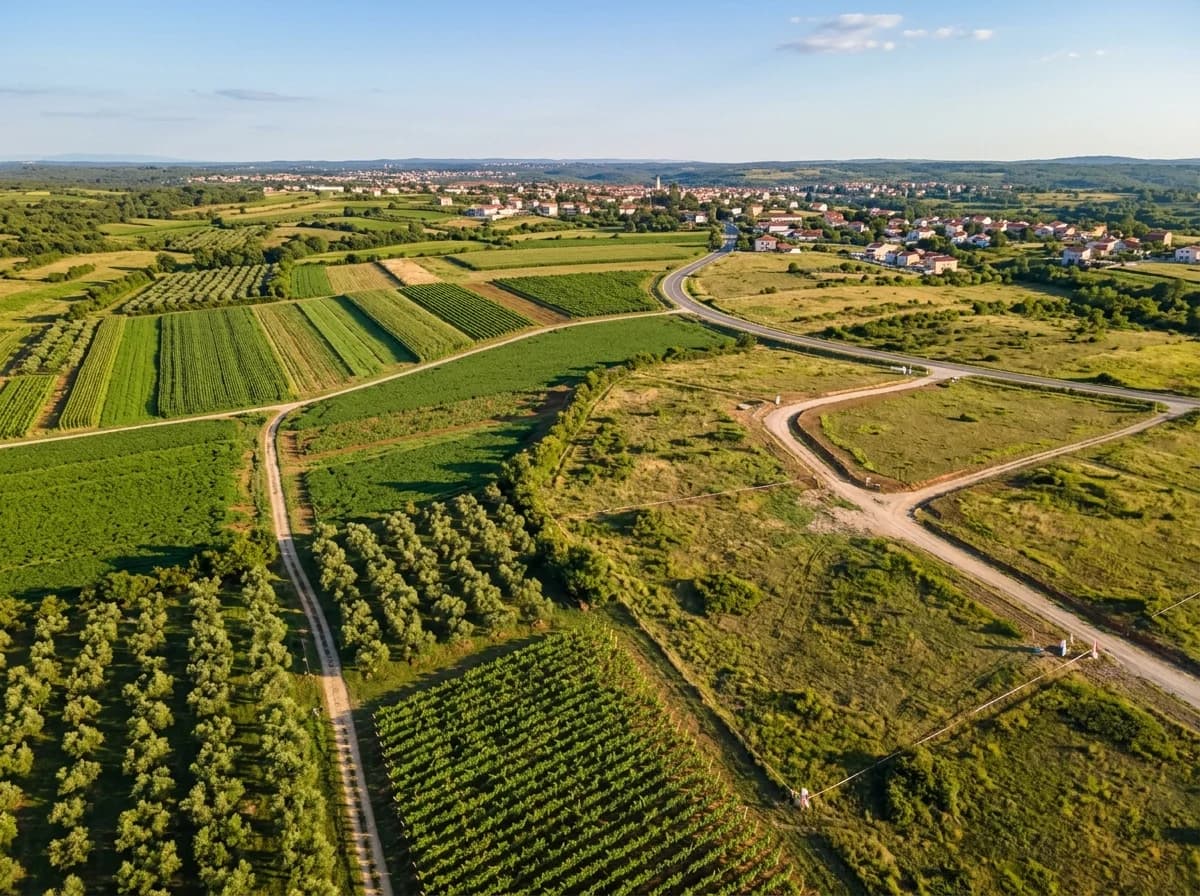
A land valuation is carried out by comparing the property's zoning status, location, size, road frontage and infrastructure with comparable land sales in the area. Zoning status is the single biggest factor in the value of a plot.
A plot open to development under the zoning plan and a plot classified as agricultural land can have very different values even if they are in the same location.
In this article we outline the order in which a land valuation is carried out, how comparables are used, and what information should be prepared before the valuation. Unlike a home, land does not sell a physical structure but a development potential, so its value largely depends on what can be built on it.
Key Takeaways
- Zoning status is the factor that affects land value the most.
- The floor area ratio (FAR, "emsal") and the number of storeys determine value.
- Road frontage, slope and infrastructure affect value.
- The valuation is based on sales of similar plots in the immediate surroundings.
How does zoning status affect land value?
The zoning plan determines what can be built on the plot (residential, commercial, industrial and so on) and how much can be built (floor area ratio and number of storeys). A plot open to development generally carries a much higher value than land closed to development. The first step of the valuation is therefore documenting the zoning status.
When the zoning plan changes on the same parcel, value can change quickly. For this reason the expert researches not only the current plan but also planned or pending changes; however, a plan change that has not yet been finalised is reflected in the value with caution. For more detail on zoning status, you can also look at our article on zoning status (imar durumu).
Location, frontage and infrastructure
The area where the plot is located, its proximity to the main road and transport routes, its road frontage, and its shape and slope all affect value. The availability of infrastructure such as electricity, water and sewerage makes the plot ready for use.
Road frontage length is easier to assess on a regularly shaped parcel, while on narrow and deep or irregularly shaped parcels the development efficiency may be lower. If the slope is steep, foundation and excavation costs rise; ground conditions and factors such as flood or landslide risk also affect value. If infrastructure does not reach the parcel boundary, the cost of connecting to it may be deducted from the value.
Access to a parcel is measured not only by distance but also by the nature of the road: has the zoning road actually been opened, or does it exist only on the plan? Frontage on a road that has not actually been opened may raise the value on paper, but it creates uncertainty from the buyer's point of view. Whether a strip has to be surrendered (terk) for the road in the title deed also affects the net area.
How are comparable sales used?
Recent sales of similar plots in the immediate surroundings are collected. Adjustments are made for differences in size, location and zoning conditions to arrive at the value of the plot being valued. Where no comparables can be found, alternative methods such as development value may be considered.
The unit price on a large parcel may differ from that on smaller parcels, because a large plot is usually sold to a single buyer, so the pool of buyers is narrower and the planning and infrastructure costs are higher. When selecting comparables, zoned and unzoned plots, or plots with different types of use, should not be mixed up. In methods such as development value, the buildable construction area on the parcel, the estimated sale values and the construction costs are calculated on assumptions, so it is important to write those assumptions out transparently.
When gathering comparables, title deed sale prices, asking prices and local information sources are compared. Because the declared price on the title deed can differ from the actual price, the expert uses more than one source to verify a comparable. The more comparables there are and the more similar the selected parcels are to the one being valued, the more reliable the result.
Title deed and cadastre information
The title deed record, which includes the block (ada) and parcel information, shows the boundaries of the plot and the encumbrances on it. The parcel's cadastral status, whether it is held in shares, and any restrictions on it are also taken into account in the valuation.
If the area on the title deed differs from the actual area, there may be cadastral survey or registration problems, which affects value. The designation under which the parcel is registered in the title deed, such as field, plot or garden, should also be assessed together with the zoning status. Entries in the annotation and declaration sections (for example an easement right or an expropriation annotation) can limit freedom of use.
Which method is used for land valuation, and when?
When there are similar and recent sales nearby, the market approach (market comparison) is the primary method. Where there are few comparables, or where the parcel is suitable for project development, the residual or development value method comes into play: the costs such as construction, finance and developer profit are deducted from the estimated sale value of the completed project to arrive at the amount that could be paid for the land. For land to be developed under a build-in-exchange-for-flats (kat karşılığı) arrangement, the contractor's share and the landowner's share are also assessed within this framework.
Which method has been chosen and the basis for the assumptions are stated clearly in the report. If a large deviation appears between the methods, the expert re-tests the data and the assumptions.
Other factors that affect land value
The development trend in the surroundings, and investments such as roads, metro lines, hospitals or industrial zones built or planned in the near future, can affect land value. How long this effect will last and how much of it will be reflected in the value is uncertain. For this reason the expert reflects the expectation in the value only if it rests on concrete data. The parcel's sun exposure, view, the density of development around it, and whether it requires a ground survey also affect value. If the ground is problematic, foundation costs rise, and this is deducted from the land value.
The actual condition of the land also matters: if there is an old structure, trees or environmental contamination on it, the cost of demolition or clean-up may be taken into account. If there are obligations arising from the title deed or zoning, such as a requirement to build or to complete the project within a certain period, these are also considered in the valuation.
A practical checklist for buying and selling land
Verify the block and parcel number, the area and the encumbrances on the title deed; obtain the zoning status from the municipality; see the parcel's road frontage and access on site; ask about the infrastructure; and if the land is held in shares, look into the position of the other shareholders. Discussing price without doing these checks can lead to misleading results.
Checklist before buying land
Before buying land, obtain a current zoning status certificate, check the encumbrances on the title deed record, inspect the parcel's road frontage and slope on site, find out the state of infrastructure (electricity, water, sewerage), and research comparable sale prices in the area. Be sure also to check the parcel's boundaries and whether the area on the title deed matches the real situation on the ground.
As well as the frontage on a road, the nature of that road matters: is the road in front of the parcel a public road that appears in the zoning plan and is continuously accessible, or is it a private passage or a footpath? An access problem is one of the critical issues that determine the land's use and investment value.
Common mistakes when buying land
Common mistakes include trusting the seller's word without verifying the zoning status, ignoring the relationship with the other shareholders in shared land, and buying a parcel with no road frontage or no cadastral road. These problems can seriously affect the use and value of the land.
Another mistake is paying a price based on a rumour that the area will be opened to zoning in the future. A plan change that has not yet been approved is not a guarantee, and a valuation is carried out according to the current legal situation. If you are paying for a value increase based on expectation, you should take on this risk knowingly.
What is the development value approach in land valuation?
Where no comparables can be found, or where a project can be built on the land, experts may use the development (residual value) approach. In this approach the estimated sale value of the project that can be built on the land is calculated for when it is completed. From this, the construction cost, finance, sales and marketing expenses and the developer's reasonable profit are deducted. The remaining amount shows the value that could be paid for the land.
Let us explain the logic with a hypothetical example: the total sellable area that can be built on a plot is determined by the zoning conditions. The estimated revenue from this area is calculated according to the new-build sale levels in the area, and the project's cost and profit margin are deducted. The figures are fictitious; the essence of the method is this: the value of the land equals the present value of what can be built on it. For this reason, even a small difference in zoning rights can change the land value noticeably.
The development approach is quite sensitive to assumptions: a small change in the estimate of the sale price, construction cost or sale period greatly affects the result. A good report therefore states these assumptions clearly and tries to support the result with another approach, such as market comparison.
Frequently Asked Questions
Last updated:
This article is for general information only; consult a valuation expert about your specific situation. Regulations and practices may change over time.
Related Services
How We Can Help You


Keep Reading