How Are Hotels and Tourism Facilities Valued?
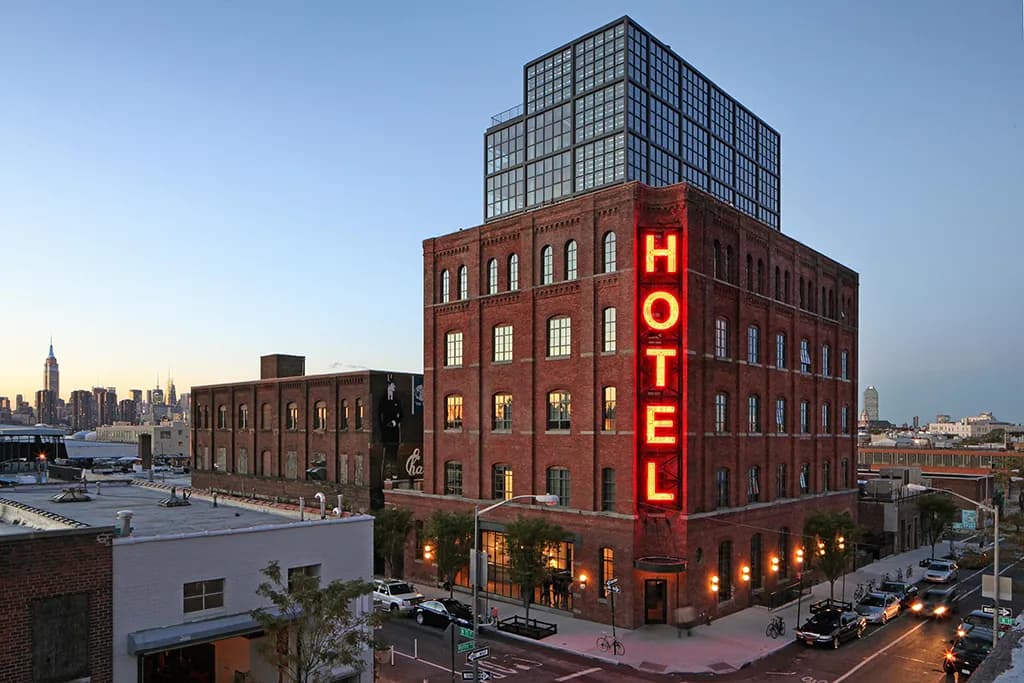
Hotels and tourism facilities are valued by considering together the value of the building, room and bed capacity, occupancy and income data, and the licences the facility holds. The income approach is usually to the fore for these facilities.
For tourism facilities, value depends not only on the building but also on the income the business generates and on how sustainable that income is. The same building could generate different income in the hands of another operator, so the valuation considers both the property and the activity carried out in it.
Below you can find what data is collected in the valuation of a tourism facility, how the income calculation is built, and how the facility's documents are reflected in its value.
Key Takeaways
- Occupancy and average room rate form the basis of income.
- The tourism operating licence and permits are examined in the valuation.
- For seasonal facilities, the distribution of income is analysed.
- Location and proximity to the coast affect value significantly.
What does the value of a tourism facility depend on?
Room and bed capacity, on-site amenities (pool, restaurant, spa), the quality and maintenance condition of the building, the value of the land and, most importantly, the income the facility generates all determine value. Two hotels with the same capacity can be worth very different amounts because of differences in occupancy and average price.
Facility types such as city hotels, boutique hotels, holiday villages and guesthouses operate on different logic, so the valuation relies on different data too. For city hotels, business and conference demand may be decisive; in holiday regions, the length of the season, the board type and relationships with tour operators may be. The expert therefore assesses the facility not only by its physical features but also together with the customer base it appeals to.
How are occupancy and income data used?
Occupancy rates, average room rates and operating expenses for recent years are examined. This data is used to estimate the net income the facility can generate in the future and to calculate the value with the income approach.
Indicators commonly used in hotel operation are the occupancy rate, the average daily room rate and revenue per room, found by multiplying the two. After operating expenses such as staff, energy, food, maintenance, marketing and commissions are deducted from revenue, the resulting operating profit is the main input of the value. A hypothetical example: for a 100-room hotel, if annual occupancy is 60 percent, about 21,900 room-nights are sold per year (100 x 365 x 0.60). Multiplying this figure by the average rate and deducting expenses gives the net income. The figures are only to show the logic of the calculation.
The figures declared by the business itself are not considered sufficient on their own. They are compared with the performance of similar facilities in the area and with general industry trends. It is also checked whether the historical data includes an unusual year (an extraordinary rise or fall in demand), because a single year may not reflect the facility's sustainable income.
Documents and legal status
The building permit, occupancy permit (iskân), tourism operating licence and other operating permits are examined. Missing documents for the facility, or construction that does not comply with permits, may reduce the value. For facilities on the coastline, restrictions under coastal legislation are also checked separately.
Some tourism facilities may operate on public land through an allocation or lease. In such cases, because the ownership situation, the allocation term and its conditions may vary according to current legislation and the conditions of the relevant authority, the valuation carefully examines how long the term will continue and whether it can be transferred. The value of such facilities cannot be compared directly with that of a freehold facility.
Seasonal facilities
For facilities that operate only in certain months, the length of the season, off-season income and the region's tourism potential are analysed separately. Tourism trends in the area and transport investments may affect the facility's future performance.
Because income at seasonal facilities is concentrated in a few months, cash flow is uneven across the year, while fixed costs continue in the off-season as well. In the valuation, this is modelled together with the distribution of income across the year and off-season costs. If there is scope to extend the season (indoor areas, meeting rooms, spa, local tourism variety), this potential is also assessed.
Why is a valuation needed in a facility sale and for a loan?
In tourism facility purchases and sales, the parties mostly discuss the facility's price on the basis of income expectations. An independent report makes visible the data on which these expectations rest. A valuation report is also requested in situations such as the division of partnerships, mergers and transfers, loan applications for investment, and insurance. In loan valuation, banks generally expect a report from firms licensed by the CMB (SPK) and BRSA (BDDK); the conditions may vary from one institution to another.
When preparing for the valuation, presenting as the operator the monthly occupancy and income statements for the last three to five years, renovation records and any lease or management agreements in an orderly way both shortens the process and reduces the number of assumptions. Where documents are missing, the expert has to use assumptions based on industry averages, and this increases the uncertainty in the result.
For projects at the investment stage, the value the facility could reach on completion, which has not yet opened for business, is analysed together with the cost to complete it. This work also tests the feasibility of the project.
How does the condition of the building and equipment affect value?
A hotel's renovation needs are a significant item in its value. The date of the last renovation of the rooms and common areas, the lifespan of the plumbing and air-conditioning systems, and items such as kitchen and pool equipment are examined. If a major renovation investment is needed in the near term, this cost may be deducted from the value or reflected in the income projection. Whether furniture and fixtures are included in the value is also stated clearly in the report.
Checklist for buying or valuing a hotel
Examine together the tourism operating licence and permits, the building permit and occupancy permit, occupancy and income-expense statements for recent years, staff and contract obligations, the facility's maintenance and renovation needs, and the legal status of the land. If the facility is held under an allocation or lease (for example, a right to operate on public land), the term of that right and whether it can be transferred are also critical information.
Pay attention to whether the financial statements can be audited. Seeing whether the income declared by the business matches the accounting records, bank transactions and the reservation system strengthens the basis of the income approach. Seeing several years of data rather than a single year reduces the effect of seasonal fluctuations.
Common mistakes in valuing a tourism facility
Common mistakes include looking only at high-season income, not taking maintenance and renovation investment needs into account, and ignoring missing documents. A realistic analysis of income spread across the whole year, and a check of the documents, are necessary for the value to be determined correctly.
Another mistake is taking the expectation of the owner or operator for the value. The profit a facility provides to its operator and the value at which the facility changes hands in the market may not be the same. A valuation looks for the price an independent investor could pay under reasonable conditions.
What is the difference between property value and business value?
The value of a hotel can be asked in two different ways. Property value is the value of the real estate, covering the land, the building and fixed equipment. Business value is the value of the going concern, which includes, besides this real estate, the facility's brand, customer relationships, operating contracts and workforce. This distinction is set according to the purpose of the valuation and changes the scope of the report.
Consider an example: an owner who leases out the facility is mainly interested in the property value, which is determined by the rental income and the lease term. An investor who will buy the facility and operate it themselves will also assess the facility's operating performance. In loan valuations, banks mostly focus on the value of the real estate, while in partnership or takeover transactions the business as a whole may be the subject of discussion.
Stating clearly in the report which value is requested prevents the results from being misinterpreted. When applying for a facility valuation, it therefore makes things easier to state at the outset the purpose of the report, whether the facility is leased out, and whether you can share the operating records.
Frequently Asked Questions
Last updated:
This article is for general information only; consult a valuation expert about your specific situation. Regulations and practices may change over time.
Related Services
How We Can Help You

Keep Reading